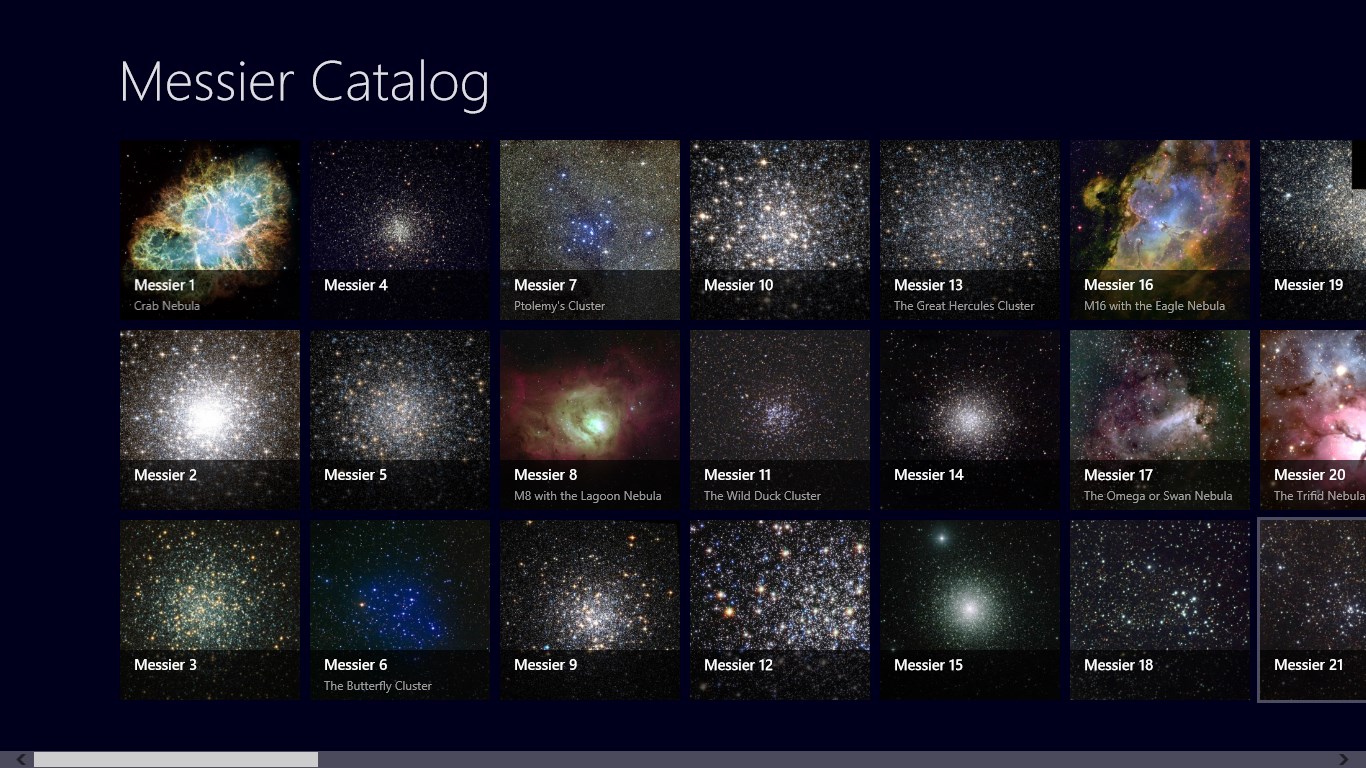
What Is The Messier Catalog
What Is The Messier Catalog - The messier objects are a set of 110 astronomical objects catalogued by the french astronomer charles messier in his catalogue des nébuleuses et des amas d'étoiles (catalogue of nebulae and star clusters). Another french astronomer, pierre méchain, discovered the galaxy in 1780. The messier objects all appear as fuzzy, nebulous patches in the sky. These include some of the most fascinating and visually stunning features of the night sky. The original motivation behind the catalogue was that messier was a comet hunter frustrated by objects that resembled but were not comets. Unlike caldwell objects, which are listed from the northernmost to the southernmost, messier objects are mostly listed in the order of discovery. The messier catalogue, also known as the messier object list, is a collection of 110 astronomical objects compiled by french astronomer charles messier in the late 18th and early 19th centuries. The catalog contains 27 open clusters , 29 globular clusters , 6 diffuse nebulae , 4 planetary nebulae , and 40 galaxies (24 spiral, 8 elliptical, 4 barred. The messier catalogue, compiled by the french astronomer charles messier in the 18th century, is a list of 110 astronomical objects. The messier catalog, or messier album, was created by french astronomer charles messier and contains information about 110 common deep sky objects including galaxies, nabulae, and. The messier catalog is an index of the different objects in the night sky that can be observed with a telescope, a pair of binoculars and sometimes with the naked eye. It contains a total of 110 objects, including galaxies, nebulae, and star clusters. The messier catalogue, compiled by the french astronomer charles messier in the 18th century, is a list of 110 astronomical objects. The messier objects are a set of astronomical objects catalogued by charles messier in his catalogue of nebulae and star clusters, first published in 1774. The list was created by the french astronomer charles messier, and was first published under the name “catalogue des nébuleuses et des amas d. Messier’s catalogue des nébuleuses et des amas d’étoiles (catalogue of nebulae and star clusters) is a collection of deep sky objects (galaxies, nebulae, star clusters) and other astronomical objects (asterisms, binary stars) visible with binoculars and telescopes. Both messier and méchain were comet hunters who cataloged nebulous objects that could be mistaken for comets. Messier’s catalogue includes a varied mix of astronomical objects, from planetary nebulae and h ii regions to galaxies and star clusters. Well over 1/3 of them lie outside our own milky way galaxy. The messier catalog consists of some of the most spectacular objects one can find in space. These include some of the most fascinating and visually stunning features of the night sky. The messier catalogue, compiled by the french astronomer charles messier in the 18th century, is a list of 110 astronomical objects. The messier catalog, or messier album, was created by french astronomer charles messier and contains information about 110 common deep sky objects including galaxies,. The names of messier objects come from their number in the original catalog by charles messier. The messier catalogue lists the positions of around 100 of the brightest nebulae, galaxies and star clusters in the night sky, many of which are visible with a small telescope or even binoculars. Unlike caldwell objects, which are listed from the northernmost to the. It's a 'what's what' of some of the. Messier’s catalogue des nébuleuses et des amas d’étoiles (catalogue of nebulae and star clusters) is a collection of deep sky objects (galaxies, nebulae, star clusters) and other astronomical objects (asterisms, binary stars) visible with binoculars and telescopes. Another french astronomer, pierre méchain, discovered the galaxy in 1780. The messier catalogue is a. The messier objects all appear as fuzzy, nebulous patches in the sky. The messier objects are a set of 110 astronomical objects catalogued by the french astronomer charles messier in his catalogue des nébuleuses et des amas d'étoiles (catalogue of nebulae and star clusters). Another french astronomer, pierre méchain, discovered the galaxy in 1780. The catalog is still a valuable. Both ngc numbers and messier numbers remain in common use. Unlike caldwell objects, which are listed from the northernmost to the southernmost, messier objects are mostly listed in the order of discovery. The messier catalogue lists the positions of around 100 of the brightest nebulae, galaxies and star clusters in the night sky, many of which are visible with a. The catalog contains 27 open clusters , 29 globular clusters , 6 diffuse nebulae , 4 planetary nebulae , and 40 galaxies (24 spiral, 8 elliptical, 4 barred. Messier’s catalogue des nébuleuses et des amas d’étoiles (catalogue of nebulae and star clusters) is a collection of deep sky objects (galaxies, nebulae, star clusters) and other astronomical objects (asterisms, binary stars). Messier’s catalogue des nébuleuses et des amas d’étoiles (catalogue of nebulae and star clusters) is a collection of deep sky objects (galaxies, nebulae, star clusters) and other astronomical objects (asterisms, binary stars) visible with binoculars and telescopes. The messier objects are a set of astronomical objects catalogued by charles messier in his catalogue of nebulae and star clusters, first published. Both messier and méchain were comet hunters who cataloged nebulous objects that could be mistaken for comets. These include some of the most fascinating and visually stunning features of the night sky. The messier catalog, begun by astronomer charles messier in the 18th century and revised over the years, includes some of the most fascinating astronomical objects that can be. The messier catalogue is a collection of 110 astronomical objects cataloged by the french astronomer charles messier in the 18th century. Messier’s catalogue des nébuleuses et des amas d’étoiles (catalogue of nebulae and star clusters) is a collection of deep sky objects (galaxies, nebulae, star clusters) and other astronomical objects (asterisms, binary stars) visible with binoculars and telescopes. What is. It contains 110 nebulae, star clusters, and galaxies visible from earth with a small telescope. Messier’s catalogue des nébuleuses et des amas d’étoiles (catalogue of nebulae and star clusters) is a collection of deep sky objects (galaxies, nebulae, star clusters) and other astronomical objects (asterisms, binary stars) visible with binoculars and telescopes. The original motivation behind the catalogue was that. What is the messier catalog? These include some of the most fascinating and visually stunning features of the night sky. The messier catalog consists of some of the most spectacular objects one can find in space. The messier objects all appear as fuzzy, nebulous patches in the sky. Images and detailed information about the 100 deep sky objects known as messier objects. It's a 'what's what' of some of the. The names of messier objects come from their number in the original catalog by charles messier. Another french astronomer, pierre méchain, discovered the galaxy in 1780. The messier catalogue lists the positions of around 100 of the brightest nebulae, galaxies and star clusters in the night sky, many of which are visible with a small telescope or even binoculars. Both messier and méchain were comet hunters who cataloged nebulous objects that could be mistaken for comets. Today, we recognize the messier catalog to consist of a collection of deep sky objects that all lie far beyond the solar system. The messier objects are a set of 110 astronomical objects catalogued by the french astronomer charles messier in his catalogue des nébuleuses et des amas d'étoiles (catalogue of nebulae and star clusters). Both ngc numbers and messier numbers remain in common use. The messier objects are a set of astronomical objects catalogued by charles messier in his catalogue of nebulae and star clusters, first published in 1774. The catalog contains 27 open clusters , 29 globular clusters , 6 diffuse nebulae , 4 planetary nebulae , and 40 galaxies (24 spiral, 8 elliptical, 4 barred. The list was created by the french astronomer charles messier, and was first published under the name “catalogue des nébuleuses et des amas d.
The Messier Catalog BruneiAstronomy

Complete Messier Catalog Cielo, Criada, Historia

What is Messier Catalog List of Messier Objects & Messier Pictures
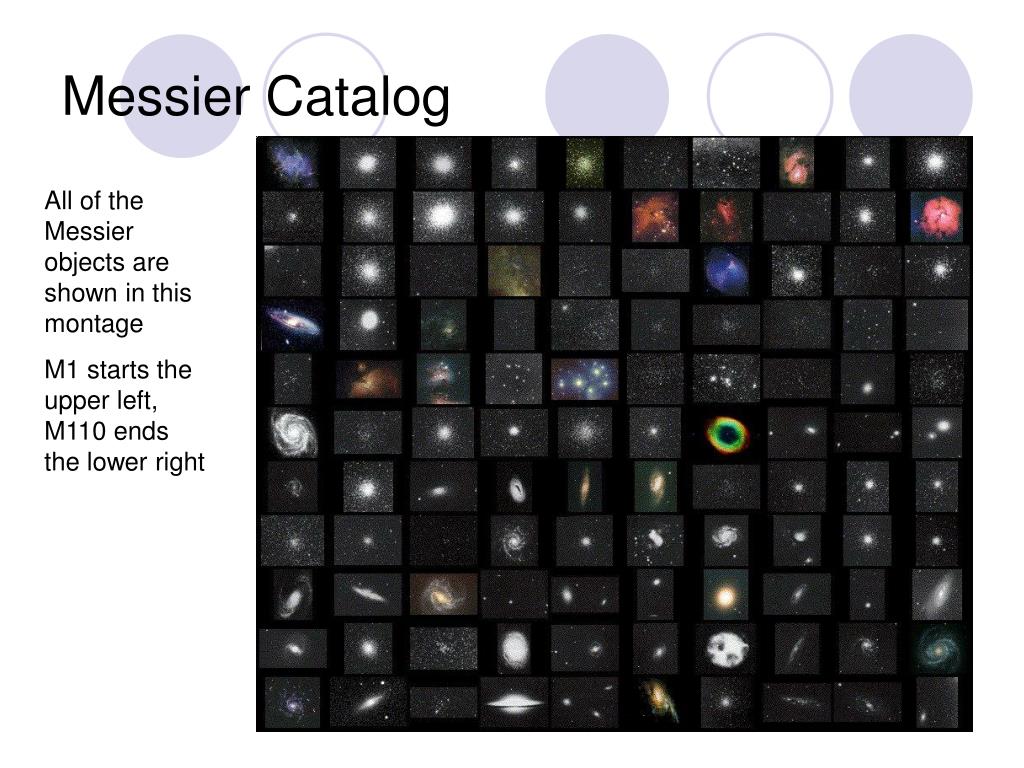
PPT Galaxies & Star Systems PowerPoint Presentation, free download

The Messier Catalogue Poster Astronomy photography, Milky way galaxy
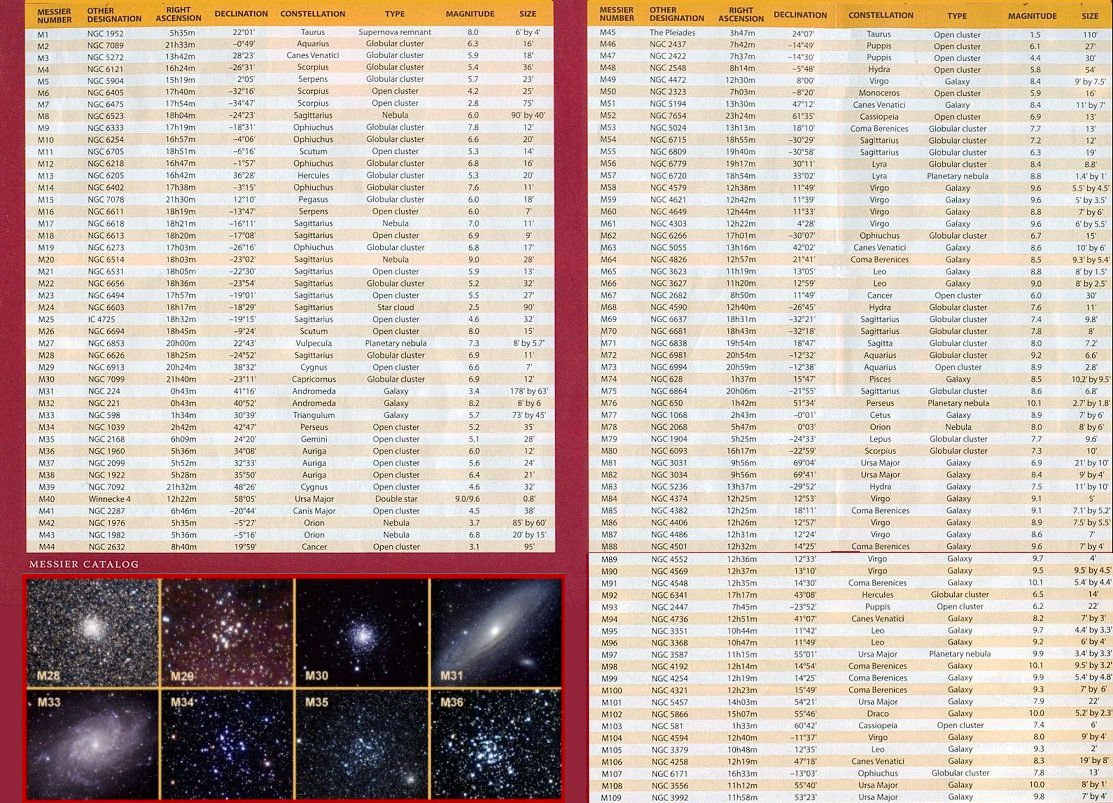
Messier Objects

The Hubble Space Telescope’s jawdropping Messier catalogue Astronomy Now

Download Above Are Small Titled Thumbnails Of The Messier Catalogue

The Messier Catalog The Messier Catalog is a collection of… Flickr
Messier Catalog for Windows 10
Messier’s Catalogue Des Nébuleuses Et Des Amas D’étoiles (Catalogue Of Nebulae And Star Clusters) Is A Collection Of Deep Sky Objects (Galaxies, Nebulae, Star Clusters) And Other Astronomical Objects (Asterisms, Binary Stars) Visible With Binoculars And Telescopes.
This Guide Can Be Referred To For Observing The Objects On The List, But They’re Mostly Seen From European Latitudes, As Messier Only Scanned The Sky Visible From That Area Of The Earth.
The Messier Catalogue Is A List Of Astronomical Objects Compiled By French Astronomer Charles Messier In The 18Th Century.
The Messier Catalogue, Compiled By The French Astronomer Charles Messier In The 18Th Century, Is A List Of 110 Astronomical Objects.
Related Post: