
What Is A Music Catalog
What Is A Music Catalog - Your music catalog is the collection of all the songs you own or control. In this article, we’ll dive deeper into the. Derenberg professor of intellectual property law, discusses why the phenomenon of song. In a q&a, jeanne fromer, vice dean of intellectual life and walter j. The owner owns the copyrights of the cataloged compositions. It centralizes intellectual property rights, such as. That means bruce has joined bob dylan, stevie nicks, neil young and other stars. A music catalog is a collection of songs, often owned by several entities and composers, that generates revenue through various channels such as streaming, licensing, physical sales,. A music catalog can range from a few songs to thousands of tracks, and it can be a valuable asset for artists, producers, and record labels. In the music industry, a collection of musical compositions is cataloged into a music catalog. A music catalog is a collection of songs, often owned by several entities and composers, that generates revenue through various channels such as streaming, licensing, physical sales,. What is a music catalog? In this article, we’ll dive deeper into the. In the music industry, a collection of musical compositions is cataloged into a music catalog. That means bruce has joined bob dylan, stevie nicks, neil young and other stars. In the world of music, a catalog refers to the comprehensive collection of a music artist’s or record label’s published and unpublished. It reportedly paid more than $500 million for bruce springsteen's entire back catalog. Derenberg professor of intellectual property law, discusses why the phenomenon of song. A rep for the label confirmed big loud sold a minority stake in wallen's master recording catalog as part of a strategic investment to expand the label’s global footprint. by. The owner owns the copyrights of the cataloged compositions. A music catalog is a collection of songs, often owned by several entities and composers, that generates revenue through various channels such as streaming, licensing, physical sales,. Derenberg professor of intellectual property law, discusses why the phenomenon of song. In the music industry, a catalogue refers to a collection of a recording artist’s, band’s, or composer’s music works, including songs,. Your music catalog is the collection of all the songs you own or control. Derenberg professor of intellectual property law, discusses why the phenomenon of song. A music catalog can range from a few songs to thousands of tracks, and it can be a valuable asset for artists, producers, and record labels. In a q&a, jeanne fromer, vice dean of. A music catalog is a collection of songs, often owned by several entities and composers, that generates revenue through various channels such as streaming, licensing, physical sales,. In a q&a, jeanne fromer, vice dean of intellectual life and walter j. That means bruce has joined bob dylan, stevie nicks, neil young and other stars. It encompasses their entire discography, including. Your music catalog is the collection of all the songs you own or control. The owner owns the copyrights of the cataloged compositions. Sort your songs by album, artist, genre, or any other categories that make sense to you. A music catalog is a comprehensive list or inventory of all the songs, compositions, recordings, and other musical works owned or. Creating a music catalog begins with organizing your music collection. Derenberg professor of intellectual property law, discusses why the phenomenon of song. In the music industry, a collection of musical compositions is cataloged into a music catalog. Big loud, the label that morgan wallen calls home, has reportedly sold a minority stake in his catalog to chord music partners. Morgan. The owner owns the copyrights of the cataloged compositions. Sort your songs by album, artist, genre, or any other categories that make sense to you. Your music catalog is the collection of all the songs you own or control. In the music industry, a catalogue refers to a collection of a recording artist’s, band’s, or composer’s music works, including songs,. That means bruce has joined bob dylan, stevie nicks, neil young and other stars. A music catalog refers to a collection of songs, compositions, or recordings owned by an individual or entity. It centralizes intellectual property rights, such as. What is a music catalog? Morgan wallen is making some changes. That means bruce has joined bob dylan, stevie nicks, neil young and other stars. Big loud, the label that morgan wallen calls home, has reportedly sold a minority stake in his catalog to chord music partners. What is a music catalog? A music catalog is a collection of songs, often owned by several entities and composers, that generates revenue through. What is a catalog in music? In the music industry, a catalogue refers to a collection of a recording artist’s, band’s, or composer’s music works, including songs, albums, and other musical compositions. The owner owns the copyrights of the cataloged compositions. That means bruce has joined bob dylan, stevie nicks, neil young and other stars. A music catalog refers to. In the world of music, a catalog refers to the comprehensive collection of a music artist’s or record label’s published and unpublished. What is a music catalog? It encompasses their entire discography, including albums, singles, and any unreleased tracks. A music catalog, in simple terms, refers to the collection of songs an artist owns. A rep for the label confirmed. In this article, we’ll dive deeper into the. A music catalog refers to a collection of songs, compositions, or recordings owned by an individual or entity. It encompasses their entire discography, including albums, singles, and any unreleased tracks. In the music industry, a collection of musical compositions is cataloged into a music catalog. It centralizes intellectual property rights, such as. Let’s break it down into simpler terms. In a q&a, jeanne fromer, vice dean of intellectual life and walter j. A music catalog, in simple terms, refers to the collection of songs an artist owns. A music catalog is critical in the music business, acting as an inventory of a collection of songs under specific ownership. The owner owns the copyrights of the cataloged compositions. Morgan wallen is making some changes. Creating a music catalog begins with organizing your music collection. In the world of music, a catalog refers to the comprehensive collection of a music artist’s or record label’s published and unpublished. Sort your songs by album, artist, genre, or any other categories that make sense to you. That means bruce has joined bob dylan, stevie nicks, neil young and other stars. A music catalog is a collection of songs, often owned by several entities and composers, that generates revenue through various channels such as streaming, licensing, physical sales,.
Why are artists selling their music catalogs?
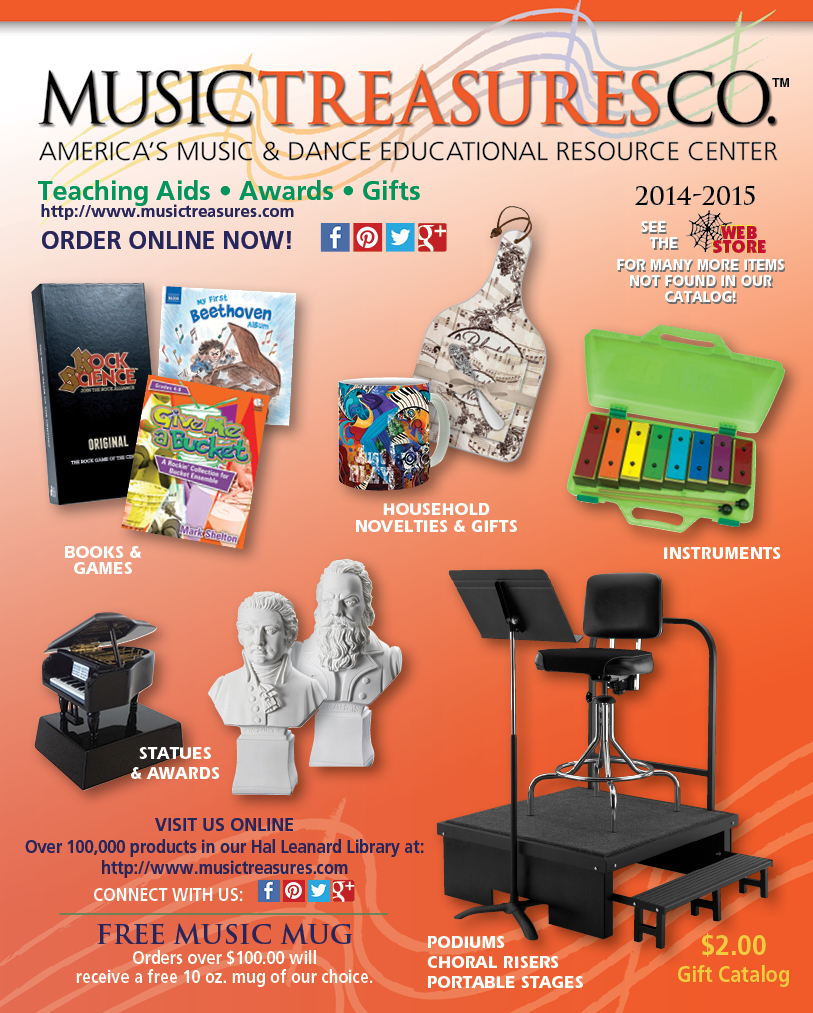
Free Music Gift Catalog from Music Treasures Gifts for Musicians and
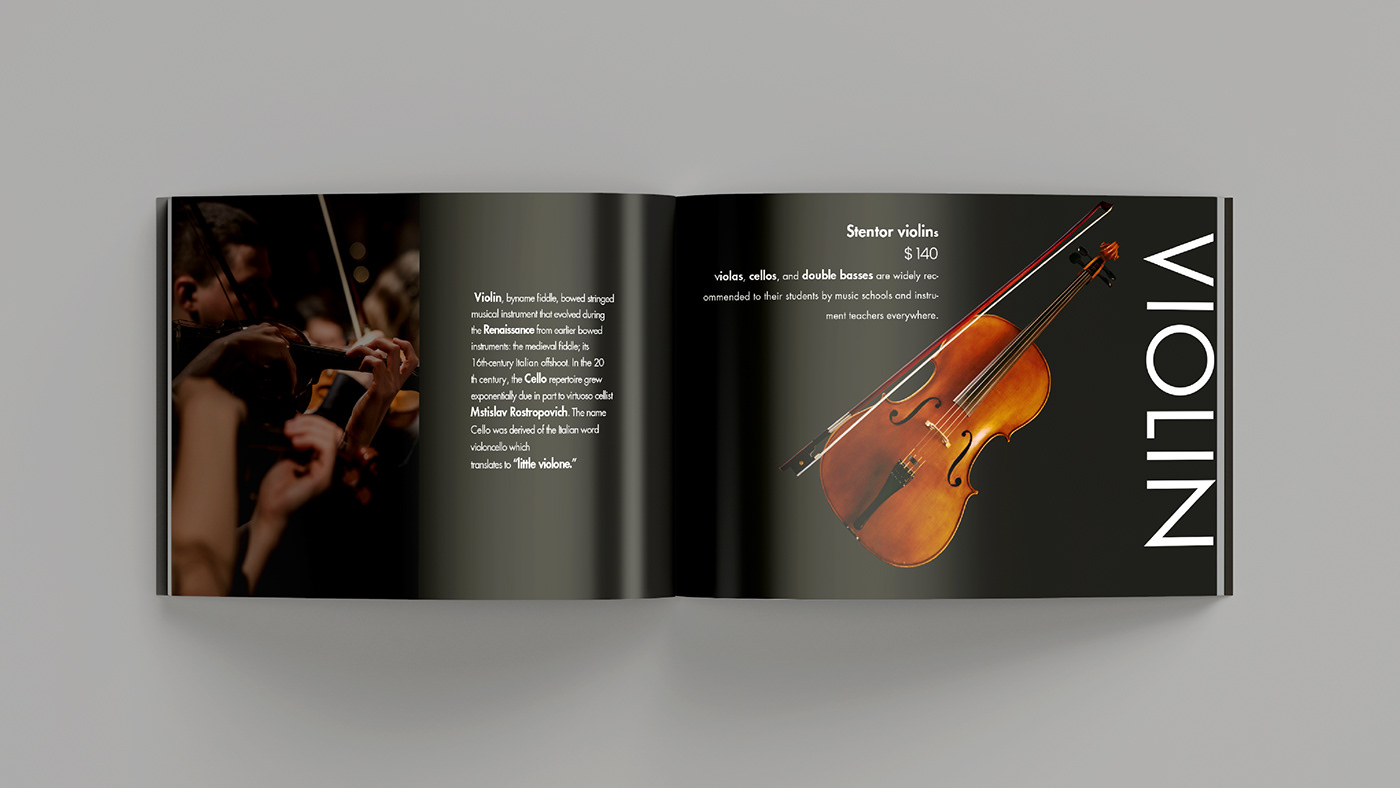
MUSICAL INSTRUMENT CATALOG /NOVA CATALOG Behance
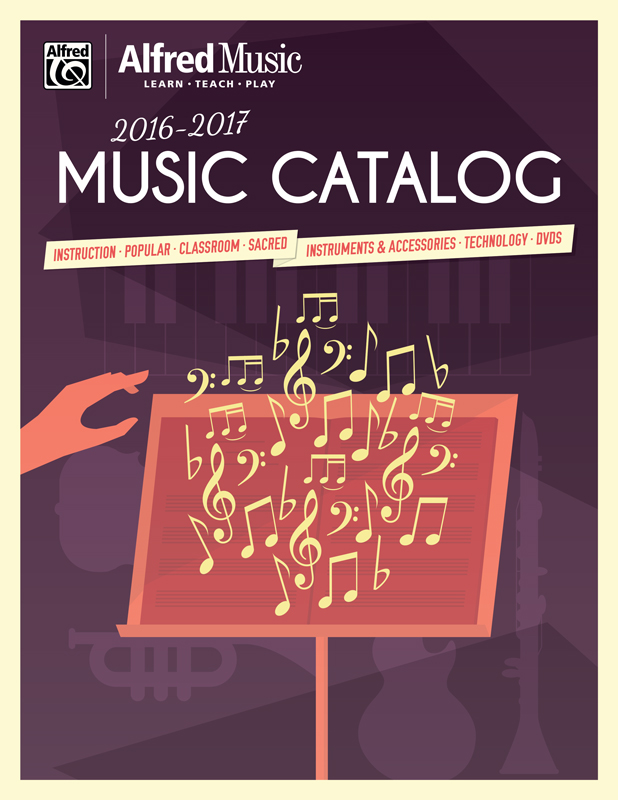
Catalogs

Musical instruments catalog on Behance
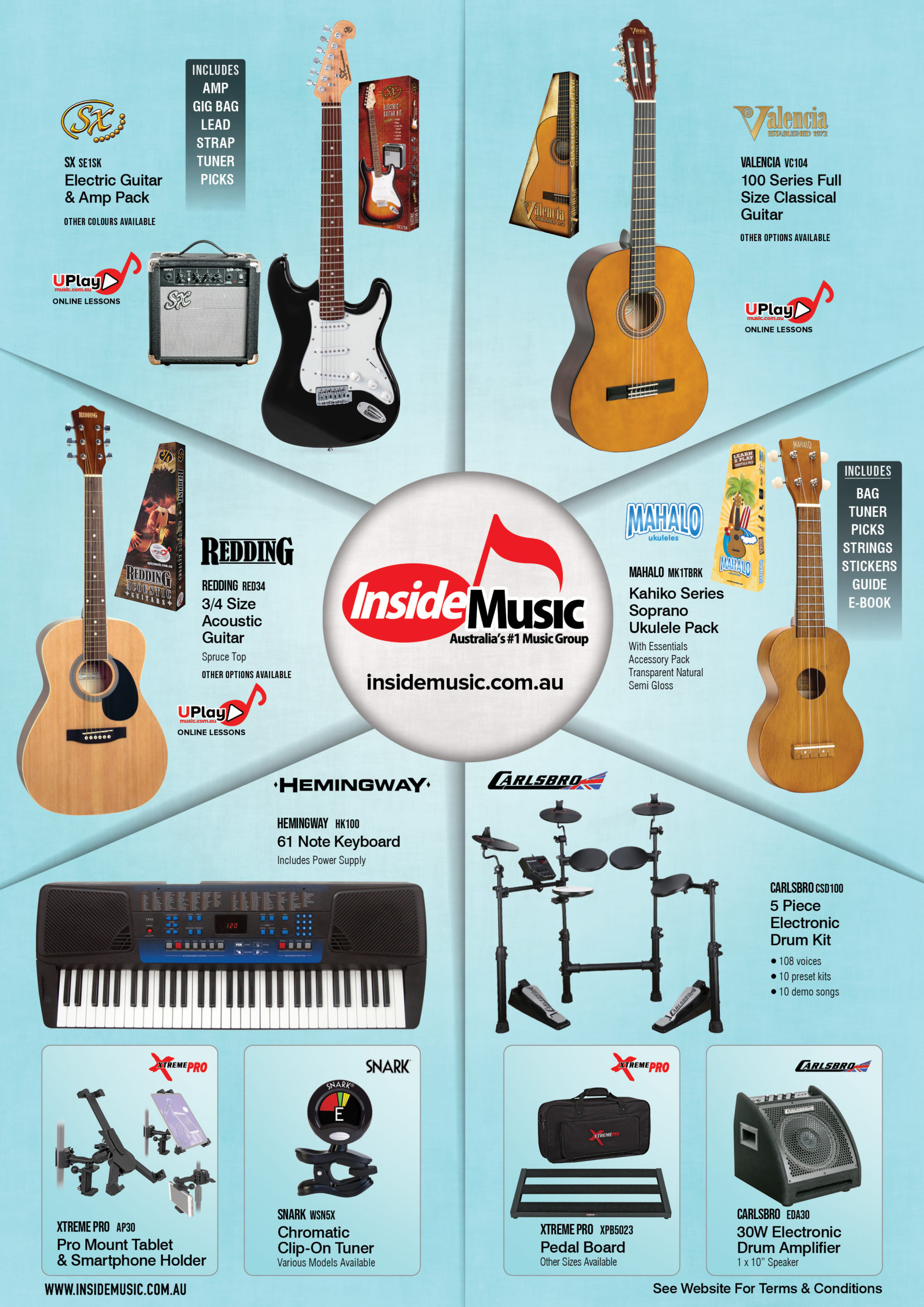
Inside Music Catalogue Inside Music

32 Pages Musical Instruments Catalog, Print Templates GraphicRiver
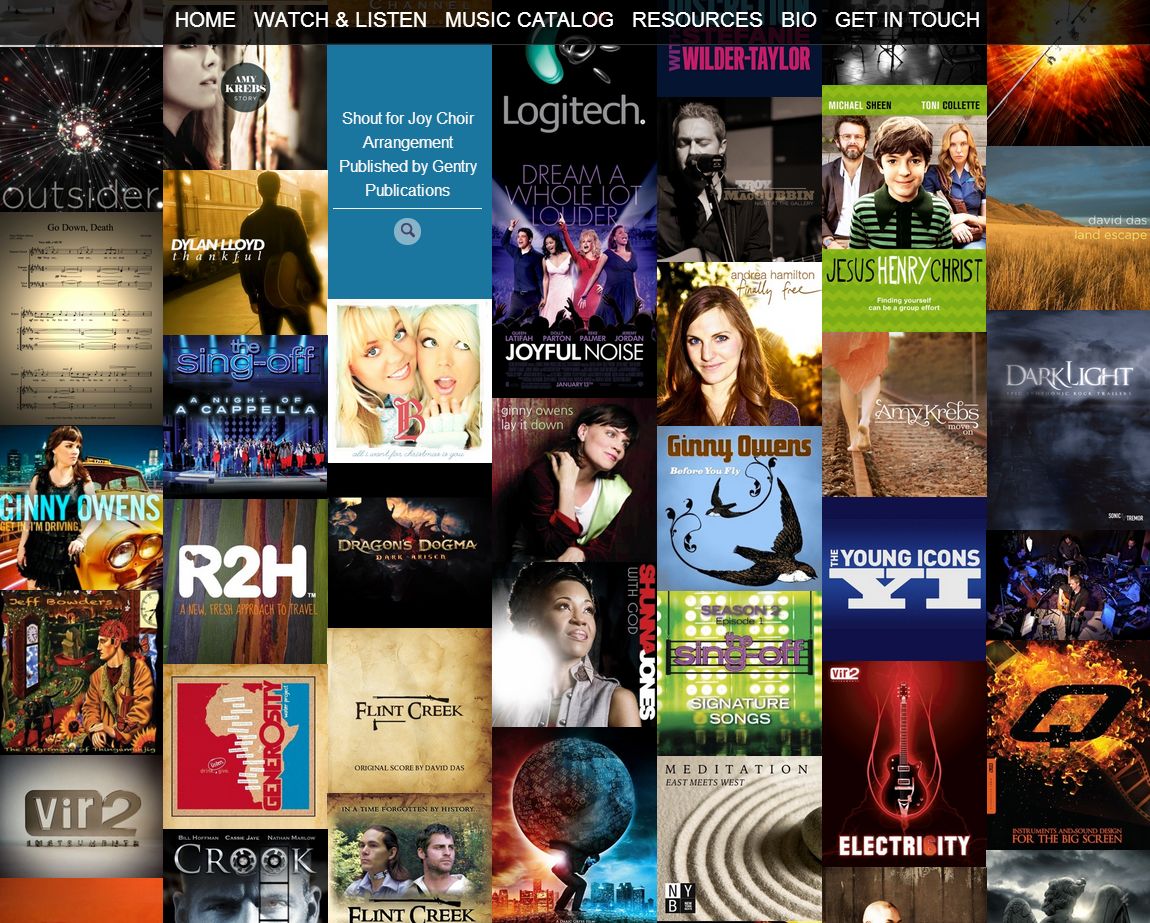
How to build a large music catalog with Views and custom search. A case
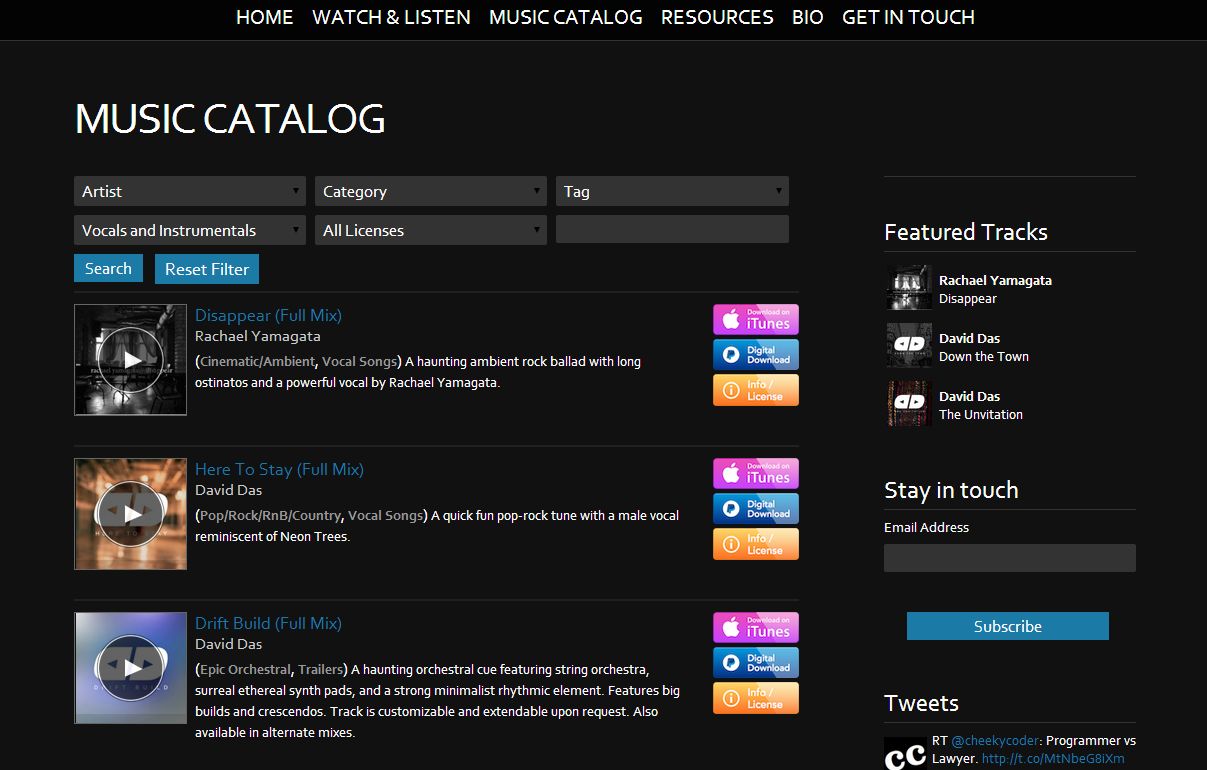
How to build a large music catalog with Views and custom search. A case

What Is A Music Catalog & Why Are Artists Selling
Derenberg Professor Of Intellectual Property Law, Discusses Why The Phenomenon Of Song.
Big Loud, The Label That Morgan Wallen Calls Home, Has Reportedly Sold A Minority Stake In His Catalog To Chord Music Partners.
What Is A Music Catalog?
A Rep For The Label Confirmed Big Loud Sold A Minority Stake In Wallen's Master Recording Catalog As Part Of A Strategic Investment To Expand The Label’s Global Footprint. By.
Related Post: