
Spark Catalog
Spark Catalog - See the methods, parameters, and examples for each function. See examples of creating, dropping, listing, and caching tables and views using sql. A spark catalog is a component in apache spark that manages metadata for tables and databases within a spark session. Check if the database (namespace) with the specified name exists (the name can be qualified with catalog). Pyspark’s catalog api is your window into the metadata of spark sql, offering a programmatic way to manage and inspect tables, databases, functions, and more within your spark application. The catalog in spark is a central metadata repository that stores information about tables, databases, and functions in your spark application. We can also create an empty table by using spark.catalog.createtable or spark.catalog.createexternaltable. See the methods and parameters of the pyspark.sql.catalog. Catalog is the interface for managing a metastore (aka metadata catalog) of relational entities (e.g. Learn how to use pyspark.sql.catalog to manage metadata for spark sql databases, tables, functions, and views. Database(s), tables, functions, table columns and temporary views). Is either a qualified or unqualified name that designates a. We can create a new table using data frame using saveastable. One of the key components of spark is the pyspark.sql.catalog class, which provides a set of functions to interact with metadata and catalog information about tables and databases in. The catalog in spark is a central metadata repository that stores information about tables, databases, and functions in your spark application. See the source code, examples, and version changes for each. It allows for the creation, deletion, and querying of tables, as well as access to their schemas and properties. Learn how to leverage spark catalog apis to programmatically explore and analyze the structure of your databricks metadata. A spark catalog is a component in apache spark that manages metadata for tables and databases within a spark session. R2 data catalog exposes a standard iceberg rest catalog interface, so you can connect the engines you already use, like pyiceberg, snowflake, and spark. Learn how to use pyspark.sql.catalog to manage metadata for spark sql databases, tables, functions, and views. It allows for the creation, deletion, and querying of tables, as well as access to their schemas and properties. See examples of listing, creating, dropping, and querying data assets. Learn how to leverage spark catalog apis to programmatically explore and analyze the structure of. Database(s), tables, functions, table columns and temporary views). See the source code, examples, and version changes for each. Pyspark’s catalog api is your window into the metadata of spark sql, offering a programmatic way to manage and inspect tables, databases, functions, and more within your spark application. Caches the specified table with the given storage level. Learn how to leverage. See examples of listing, creating, dropping, and querying data assets. See examples of creating, dropping, listing, and caching tables and views using sql. Catalog is the interface for managing a metastore (aka metadata catalog) of relational entities (e.g. Learn how to leverage spark catalog apis to programmatically explore and analyze the structure of your databricks metadata. To access this, use. Database(s), tables, functions, table columns and temporary views). Check if the database (namespace) with the specified name exists (the name can be qualified with catalog). See examples of listing, creating, dropping, and querying data assets. It acts as a bridge between your data and spark's query engine, making it easier to manage and access your data assets programmatically. Is either. Database(s), tables, functions, table columns and temporary views). Learn how to leverage spark catalog apis to programmatically explore and analyze the structure of your databricks metadata. We can also create an empty table by using spark.catalog.createtable or spark.catalog.createexternaltable. See examples of listing, creating, dropping, and querying data assets. Learn how to use spark.catalog object to manage spark metastore tables and. Learn how to leverage spark catalog apis to programmatically explore and analyze the structure of your databricks metadata. Caches the specified table with the given storage level. Catalog is the interface for managing a metastore (aka metadata catalog) of relational entities (e.g. A spark catalog is a component in apache spark that manages metadata for tables and databases within a. Check if the database (namespace) with the specified name exists (the name can be qualified with catalog). See the methods, parameters, and examples for each function. To access this, use sparksession.catalog. Learn how to leverage spark catalog apis to programmatically explore and analyze the structure of your databricks metadata. Learn how to use spark.catalog object to manage spark metastore tables. See the methods and parameters of the pyspark.sql.catalog. It allows for the creation, deletion, and querying of tables, as well as access to their schemas and properties. How to convert spark dataframe to temp table view using spark sql and apply grouping and… Learn how to use spark.catalog object to manage spark metastore tables and temporary views in pyspark. The. A spark catalog is a component in apache spark that manages metadata for tables and databases within a spark session. Learn how to leverage spark catalog apis to programmatically explore and analyze the structure of your databricks metadata. R2 data catalog exposes a standard iceberg rest catalog interface, so you can connect the engines you already use, like pyiceberg, snowflake,. How to convert spark dataframe to temp table view using spark sql and apply grouping and… Caches the specified table with the given storage level. 188 rows learn how to configure spark properties, environment variables, logging, and. See examples of listing, creating, dropping, and querying data assets. Catalog is the interface for managing a metastore (aka metadata catalog) of relational. How to convert spark dataframe to temp table view using spark sql and apply grouping and… The catalog in spark is a central metadata repository that stores information about tables, databases, and functions in your spark application. Learn how to use spark.catalog object to manage spark metastore tables and temporary views in pyspark. We can create a new table using data frame using saveastable. Learn how to use the catalog object to manage tables, views, functions, databases, and catalogs in pyspark sql. See examples of creating, dropping, listing, and caching tables and views using sql. To access this, use sparksession.catalog. We can also create an empty table by using spark.catalog.createtable or spark.catalog.createexternaltable. Database(s), tables, functions, table columns and temporary views). R2 data catalog exposes a standard iceberg rest catalog interface, so you can connect the engines you already use, like pyiceberg, snowflake, and spark. It acts as a bridge between your data and spark's query engine, making it easier to manage and access your data assets programmatically. A spark catalog is a component in apache spark that manages metadata for tables and databases within a spark session. See the source code, examples, and version changes for each. These pipelines typically involve a series of. Catalog is the interface for managing a metastore (aka metadata catalog) of relational entities (e.g. See the methods, parameters, and examples for each function.
SPARK PLUG CATALOG DOWNLOAD

Pyspark — How to get list of databases and tables from spark catalog
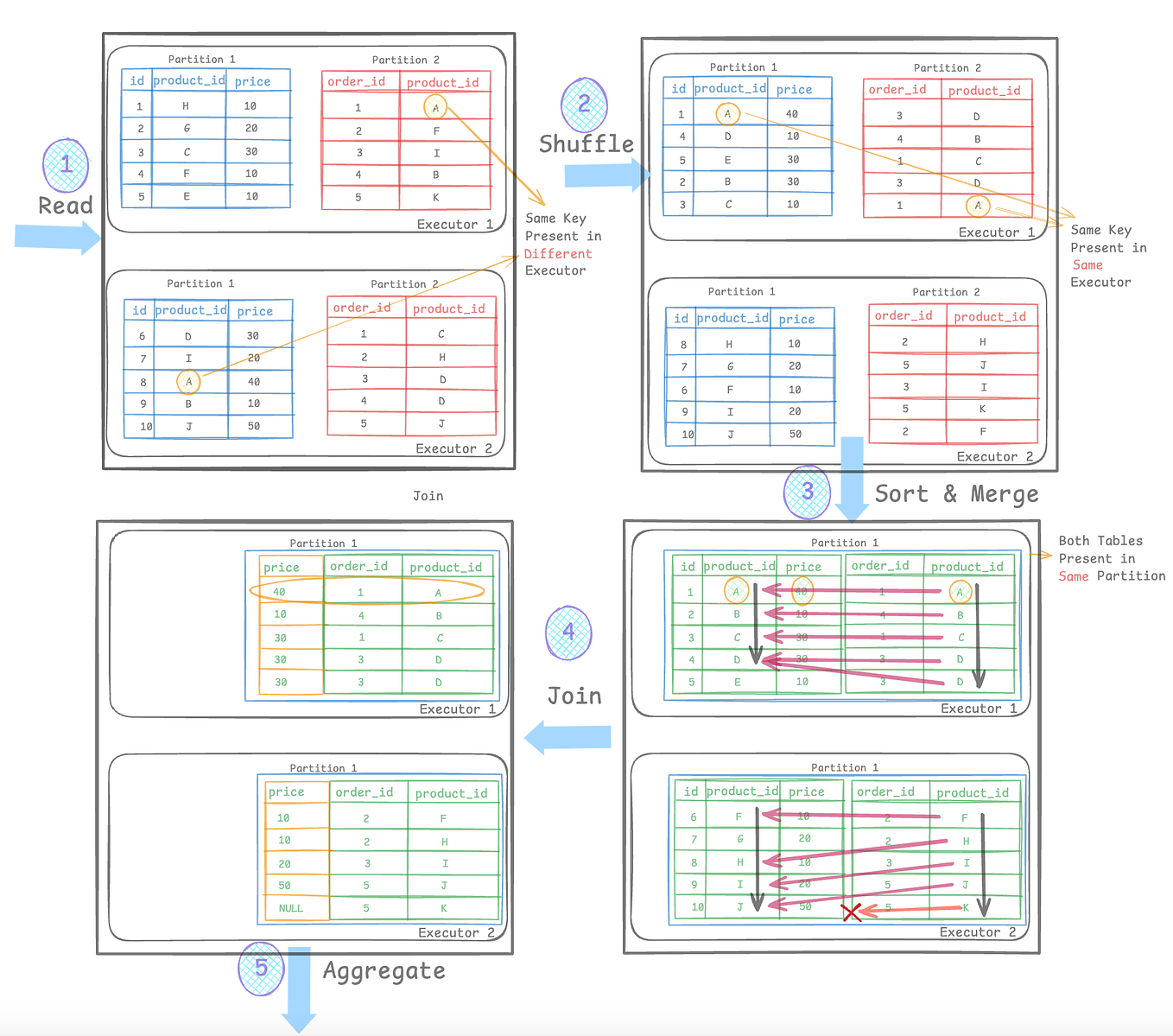
Pyspark — How to get list of databases and tables from spark catalog
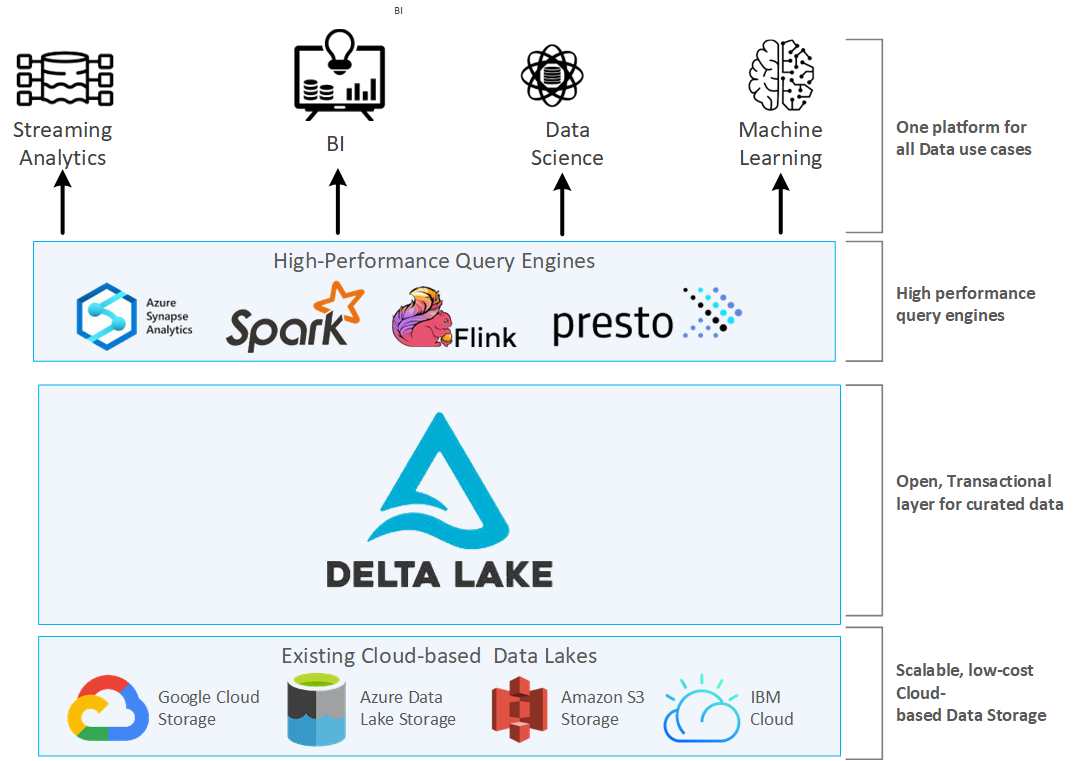
Spark JDBC, Spark Catalog y Delta Lake. IABD
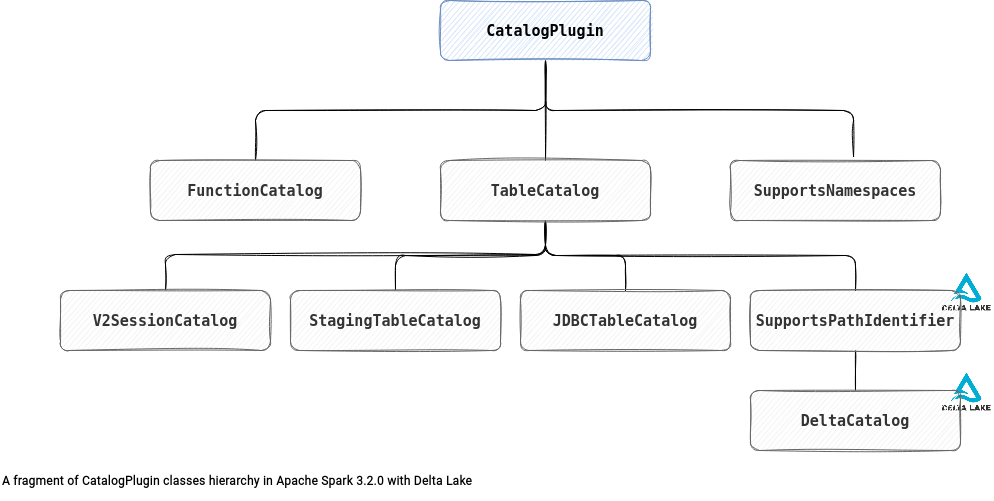
Pluggable Catalog API on articles about Apache
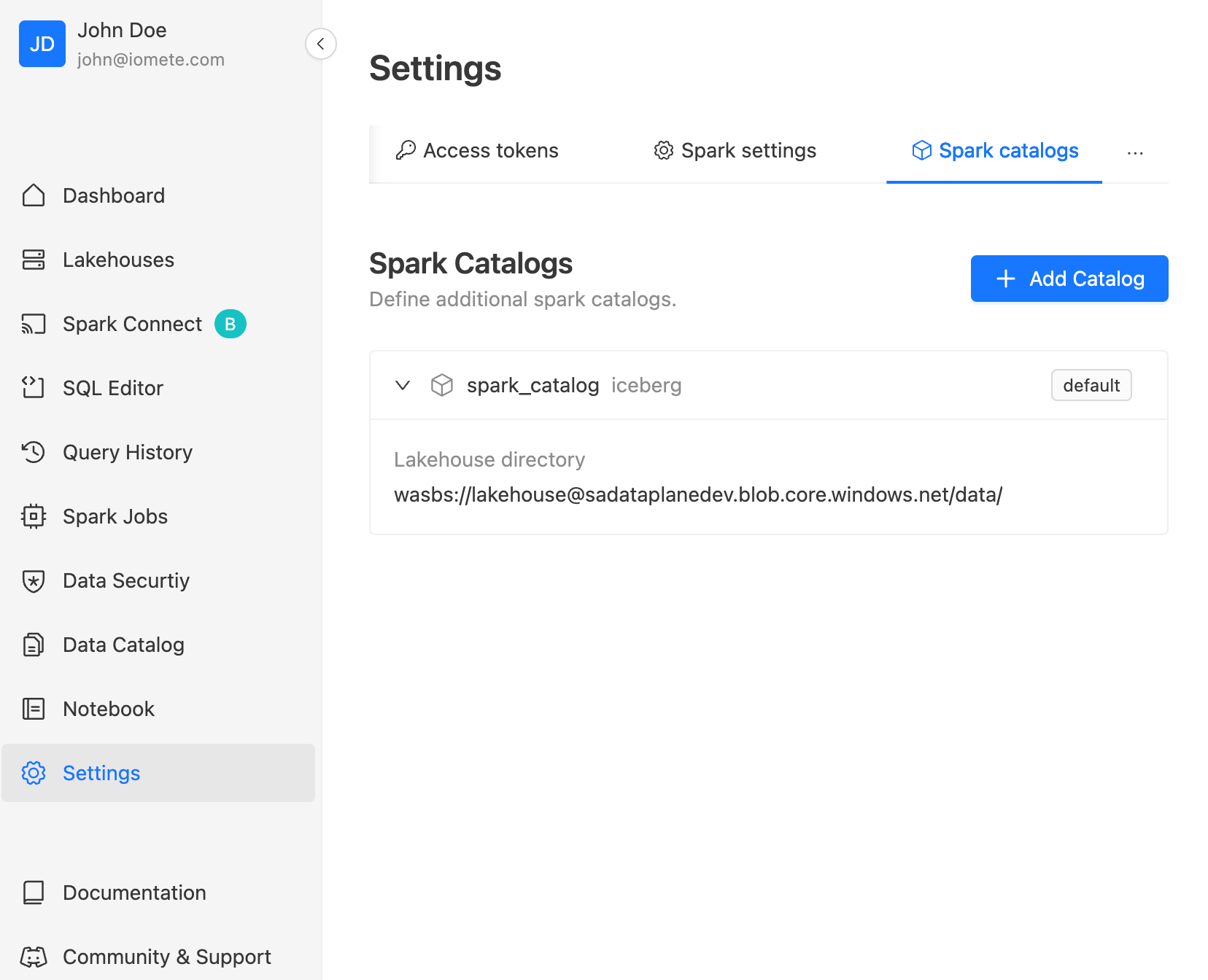
Spark Catalogs IOMETE
DENSO SPARK PLUG CATALOG DOWNLOAD SPARK PLUG Automotive Service
Configuring Apache Iceberg Catalog with Apache Spark
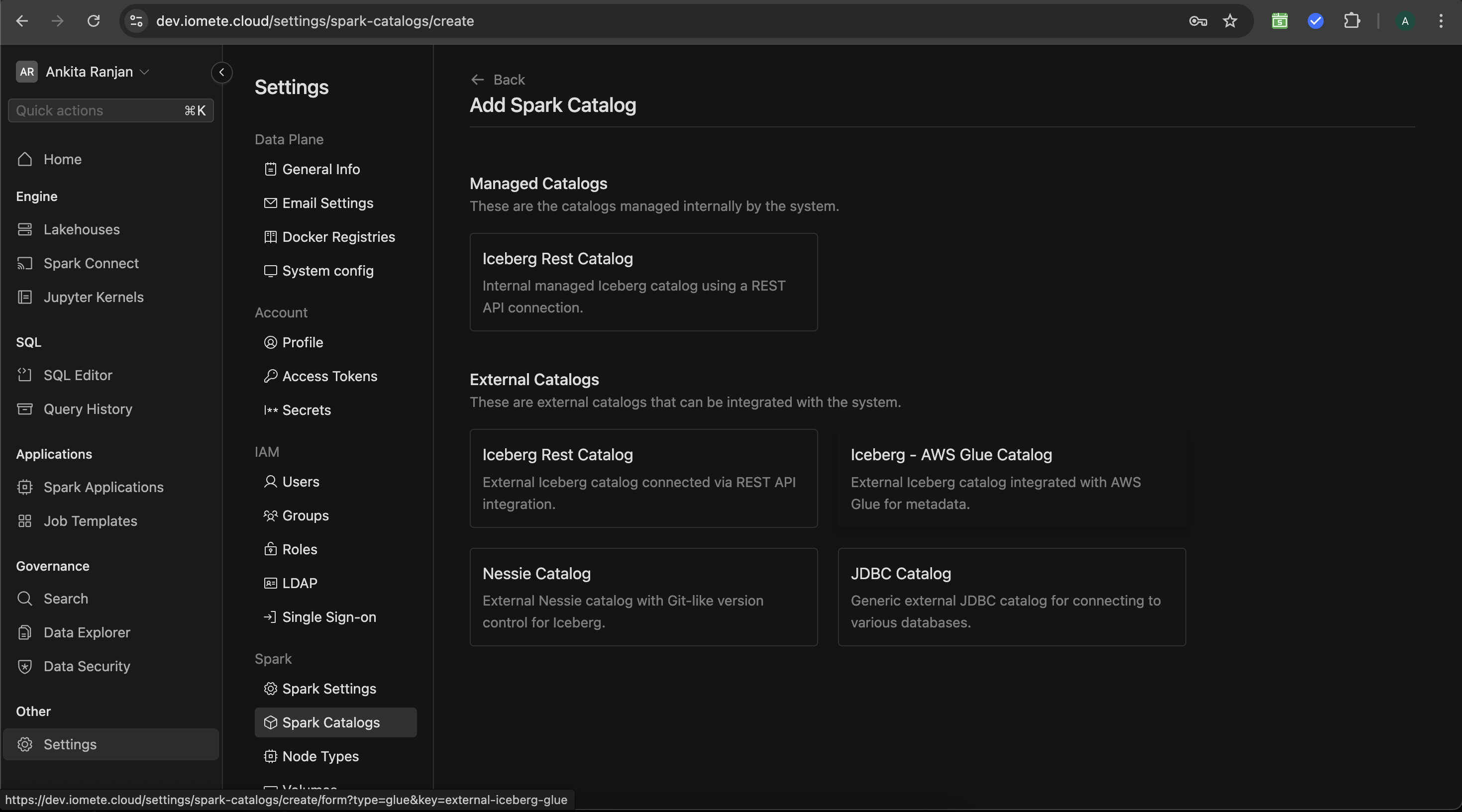
Spark Catalogs Overview IOMETE
SPARK PLUG CATALOG DOWNLOAD
188 Rows Learn How To Configure Spark Properties, Environment Variables, Logging, And.
One Of The Key Components Of Spark Is The Pyspark.sql.catalog Class, Which Provides A Set Of Functions To Interact With Metadata And Catalog Information About Tables And Databases In.
See The Methods And Parameters Of The Pyspark.sql.catalog.
Pyspark’s Catalog Api Is Your Window Into The Metadata Of Spark Sql, Offering A Programmatic Way To Manage And Inspect Tables, Databases, Functions, And More Within Your Spark Application.
Related Post: