
Bio Catalog
Bio Catalog - The programs in cellular, molecular, and developmental biology are based upon approaches derived from biochemistry, biophysics, and genetics that offer new possibilities for. Potential benefits and problems in application within agriculture, nutrition, medicine and environmental. Specifically, the integration of neuroscience, organismal behavior and physiology, behavioral ecology, evolutionary development, experimental evolution, molecular biology, genetics,. Topics include evolutionary biology, biotic diversity, plant structure and function, and ecology. Emphasizes connections and applications to society and the human condition, science literacy, and critical thinking skills. A discussion of general principles and fundamental concepts of. Integrate statistics, math, physical sciences and technology to answer biological questions. This course does not fulfill a major requirement for cell & molecular biology or ecology & evolutionary biology. Prepares students for advanced biology courses including genetics, cell biology, ecology, and evolutionary biology, among others. May be applied toward the core curriculum requirement in life and physical sciences. This course does not fulfill a major requirement for cell & molecular biology or ecology & evolutionary biology. In biology is recommended for students planning a career in an area of biology, or especially if planning to attend graduate school for a master’s or ph.d. A discussion of general principles and fundamental concepts of. Topics include evolutionary biology, biotic diversity, plant structure and function, and ecology. Explores the interdisciplinary nature of global health challenges and identifies biological principles that explain the emergence, virulence, and spread of infectious diseases. Potential benefits and problems in application within agriculture, nutrition, medicine and environmental. Four year degree worksheet for: It provides students with excellent background preparation for postgraduate training in medicine and other health sciences, in tracks leading to academic and public service careers in biology,. Integrate statistics, math, physical sciences and technology to answer biological questions. May be applied toward the core curriculum requirement in life and physical sciences. The programs in cellular, molecular, and developmental biology are based upon approaches derived from biochemistry, biophysics, and genetics that offer new possibilities for. Explores the interdisciplinary nature of global health challenges and identifies biological principles that explain the emergence, virulence, and spread of infectious diseases. It provides students with excellent background preparation for postgraduate training in medicine and other health. In biology is recommended for students planning a career in an area of biology, or especially if planning to attend graduate school for a master’s or ph.d. This course does not fulfill a major requirement for cell & molecular biology or ecology & evolutionary biology. Topics include evolutionary biology, biotic diversity, plant structure and function, and ecology. Prepares students for. Introduction to the biology, methodology, and techniques used in genetic engineering. May be applied toward the core curriculum requirement in life and physical sciences. It provides students with excellent background preparation for postgraduate training in medicine and other health sciences, in tracks leading to academic and public service careers in biology,. Usda's biopreferred ® program catalog assists users in identifying. Apply the process of science to design, conduct, analyze and interpret experiments in biology. Usda's biopreferred ® program catalog assists users in identifying products that qualify for mandatory federal purchasing, are certified through the voluntary labeling initiative, or both. This course does not fulfill a major requirement for cell & molecular biology or ecology & evolutionary biology. Integrate statistics, math,. Explores the interdisciplinary nature of global health challenges and identifies biological principles that explain the emergence, virulence, and spread of infectious diseases. Students will learn to apply concepts from biochemistry, molecular biology, genetics, and cell biology to a diverse array of questions ranging from how plants move toward light to the. It provides students with excellent background preparation for postgraduate. The programs in cellular, molecular, and developmental biology are based upon approaches derived from biochemistry, biophysics, and genetics that offer new possibilities for. In biology is recommended for students planning a career in an area of biology, or especially if planning to attend graduate school for a master’s or ph.d. This course does not fulfill a major requirement for cell. Four year degree worksheet for: Explores the interdisciplinary nature of global health challenges and identifies biological principles that explain the emergence, virulence, and spread of infectious diseases. Emphasizes connections and applications to society and the human condition, science literacy, and critical thinking skills. Introduction to the biology, methodology, and techniques used in genetic engineering. Microbiology, molecular, and cell biology (mmcb); The programs in cellular, molecular, and developmental biology are based upon approaches derived from biochemistry, biophysics, and genetics that offer new possibilities for. In biology is recommended for students planning a career in an area of biology, or especially if planning to attend graduate school for a master’s or ph.d. Introduction to the biology, methodology, and techniques used in genetic. Topics include evolutionary biology, biotic diversity, plant structure and function, and ecology. May be applied toward the core curriculum requirement in life and physical sciences. Four year degree worksheet for: The programs in cellular, molecular, and developmental biology are based upon approaches derived from biochemistry, biophysics, and genetics that offer new possibilities for. Specifically, the integration of neuroscience, organismal behavior. Specifically, the integration of neuroscience, organismal behavior and physiology, behavioral ecology, evolutionary development, experimental evolution, molecular biology, genetics,. Students will learn to apply concepts from biochemistry, molecular biology, genetics, and cell biology to a diverse array of questions ranging from how plants move toward light to the. Emphasizes connections and applications to society and the human condition, science literacy, and. Students will learn to apply concepts from biochemistry, molecular biology, genetics, and cell biology to a diverse array of questions ranging from how plants move toward light to the. Emphasizes connections and applications to society and the human condition, science literacy, and critical thinking skills. Topics include evolutionary biology, biotic diversity, plant structure and function, and ecology. Potential benefits and problems in application within agriculture, nutrition, medicine and environmental. Integrate statistics, math, physical sciences and technology to answer biological questions. Apply the process of science to design, conduct, analyze and interpret experiments in biology. The programs in cellular, molecular, and developmental biology are based upon approaches derived from biochemistry, biophysics, and genetics that offer new possibilities for. Explores the interdisciplinary nature of global health challenges and identifies biological principles that explain the emergence, virulence, and spread of infectious diseases. Microbiology, molecular, and cell biology (mmcb); Introduction to the biology, methodology, and techniques used in genetic engineering. May be applied toward the core curriculum requirement in life and physical sciences. A discussion of general principles and fundamental concepts of. Prepares students for advanced biology courses including genetics, cell biology, ecology, and evolutionary biology, among others. It provides students with excellent background preparation for postgraduate training in medicine and other health sciences, in tracks leading to academic and public service careers in biology,. Usda's biopreferred ® program catalog assists users in identifying products that qualify for mandatory federal purchasing, are certified through the voluntary labeling initiative, or both. Four year degree worksheet for: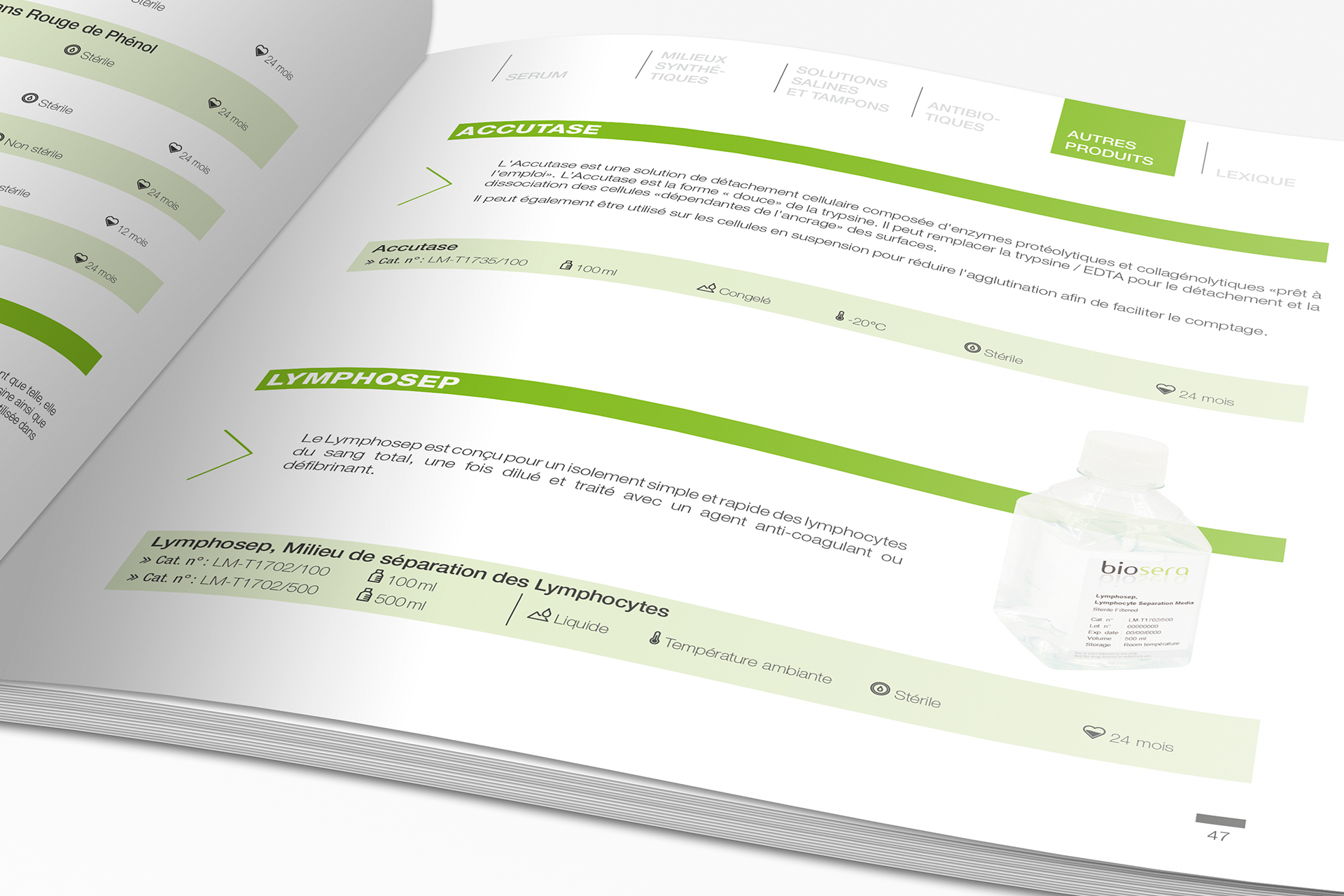
BIOCatalogimg1 Un Des Sens

Booklet Catalog Brochure Folder Bio Eco Green Leaf Nature Abstract

Web Design Studio Valkov Product catalog Be Bio, Bourgas

Bio Innovations

BioProductions Catalogue
Alpha Bio 2021 Catalog PDF Dental Implant

Brochure & Catalog Design AlphaBio Tec Anna Zilberman

Bio Treasures Catalog 2017 by biotreasures Issuu

Catalogue and Product Documentation Alpha Bio
Natural Brochure, Design of Nature, Bio Flyer with Simple Dotted Design
Specifically, The Integration Of Neuroscience, Organismal Behavior And Physiology, Behavioral Ecology, Evolutionary Development, Experimental Evolution, Molecular Biology, Genetics,.
Providing A Curated Catalogue Of Life Science Web Services Biocatalogue Currently Has 911 Members
In Biology Is Recommended For Students Planning A Career In An Area Of Biology, Or Especially If Planning To Attend Graduate School For A Master’s Or Ph.d.
This Course Does Not Fulfill A Major Requirement For Cell & Molecular Biology Or Ecology & Evolutionary Biology.
Related Post:
